Garden waste and rubbish disposal Petersham Kew
Posted on 14/10/2026
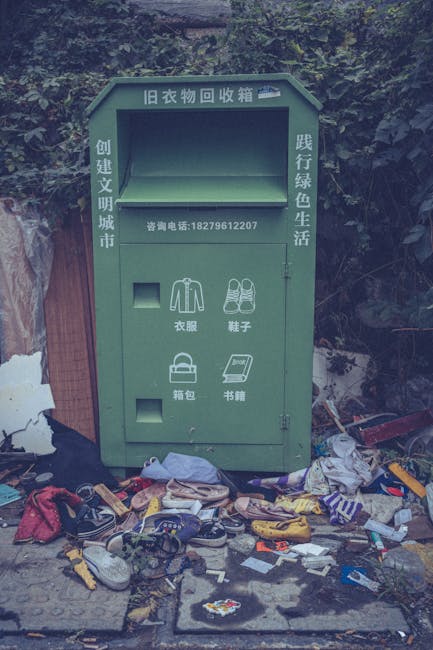
If your garden has gone from tidy to tangled, you are not alone. A few bags of hedge cuttings can quickly become a bulky, awkward pile; add broken pots, old fencing, soil, and the odd bit of general rubbish, and suddenly the job feels much bigger than a Saturday reset. That is where Garden waste and rubbish disposal Petersham Kew becomes genuinely useful: it helps you clear space safely, keep things moving, and avoid the slow-drip stress of having waste sitting around for days.
Whether you are cutting back a front garden in Petersham, clearing a shared rear yard near Kew, or dealing with a one-off post-project mess, the right approach saves time and usually a fair bit of energy too. In this guide, we will walk through how it works, what to watch for, what makes a proper disposal service worthwhile, and how to choose the cleanest, simplest route for your situation. Straightforward, practical, no fluff.
Why Garden waste and rubbish disposal Petersham Kew Matters
Garden waste looks harmless at first. A few bags of grass cuttings, some clipped branches, maybe a stack of leaves. Then you notice the hidden stuff: soil that is too heavy for ordinary bin days, thorny offcuts, rotting timber, tangled roots, or bags mixed with old plant pots and general rubbish. In a compact London setting, that mix can become a real nuisance very quickly.
For homes and businesses in Petersham and Kew, proper disposal matters for a few simple reasons. First, it keeps outdoor space usable. Second, it helps prevent smells, pests, mould, and clutter from building up. Third, it avoids the faff of overfilled bins and repeated council collections when you have more material than a standard household system can sensibly handle. And let's face it, once a pile starts blocking a path or cornering off the patio, nobody wants to keep walking past it.
There is also a practical rhythm to local life here. Gardens may be small but busy, shared, or tucked behind narrow access points. That means waste often needs to be carried through side passages, down steps, or out via tight access. A good disposal plan respects that reality. It is not just about hauling away green waste; it is about doing it neatly, safely, and without turning the place upside down.
Expert summary: Garden clearance works best when waste is sorted early, access is planned in advance, and disposal is matched to the type of material. Mixing everything together usually creates delays, extra handling, and avoidable cost.
How Garden waste and rubbish disposal Petersham Kew Works
In simple terms, the process starts with identifying what needs to go. That sounds obvious, but it is the bit people often skip. Garden waste is not the same as mixed rubbish, and not all outdoor debris can be treated the same way. Grass cuttings, hedge trimmings, leaves, and small branches are usually handled as green waste. Broken garden furniture, old fencing, planters, bagged household junk, and builders-style debris from landscaping need a different approach.
Once sorted, the waste is collected from the property, loaded safely, and taken for appropriate disposal or recycling. A well-run service will usually aim to separate recyclable organic material from non-recyclable rubbish. That matters because a neat pile of cuttings is very different from a mixed load of wood, plastic, soil, and broken bits of metal. In our experience, the better the initial sort, the smoother everything feels on the day.
For many properties in Petersham and Kew, access is the real deciding factor. If there is no driveway, if the back gate is narrow, or if the garden is awkwardly placed behind a terrace, the team needs a plan before arrival. That might mean labour-only clearance, staged loading, or using sacks and smaller containers rather than bulky bins. It is a bit unglamorous, but the practical details are what make the job work.
Some clearances are a one-off. Others are linked to pruning season, a property sale, end-of-tenancy work, or regular maintenance. Either way, the principle stays the same: remove the waste efficiently, keep the site tidy, and leave the area safer than you found it. A tidy path on a damp morning is no small thing, honestly.
For broader household or property clearance needs, it can help to understand the wider service landscape too. You can read more about the full range of clearance services if your job includes more than just garden material.
Key Benefits and Practical Advantages
People usually think of disposal as a chore. Fair enough. But the right approach brings a few clear benefits that go beyond simply making the mess disappear.
- Reclaim usable space: A cleared garden feels bigger, lighter, and easier to maintain.
- Reduce trip hazards: Loose branches, bags, and leftover rubble can make paths awkward or unsafe.
- Save time: You avoid repeated car trips, heavy lifting, and the guesswork of bin-day limits.
- Handle mixed waste properly: Not all outdoor waste belongs in the same pile, and separating it helps avoid problems later.
- Support cleaner presentation: This matters if you are selling, renting, or simply trying to keep the place looking sharp.
- Lower stress: There is real relief in seeing an overgrown space turn calm again.
There is a quieter benefit too: a proper clear-out helps you notice what the garden actually needs. Once the clutter is gone, you can see the shape of the space again. Sometimes that reveals drainage issues, damaged edging, rotten sleepers, or a patch that has been hiding under leaves for months. A messy garden hides problems. A clean one shows you what is really going on.
For customers comparing disposal with other property support options, broader waste handling can be useful to review as well. Our waste removal service in Richmond covers the kind of mixed loads that often appear alongside garden jobs.
Who This Is For and When It Makes Sense
This kind of disposal service suits more people than you might think. It is not just for heavy landscaping jobs or big refurbishment projects. In everyday life, it often helps with smaller but stubborn problems that keep getting pushed back.
You might need it if you are:
- pruning hedges, shrubs, or small trees after a long growing season;
- clearing leaves and debris after wet or windy weather;
- tidying a garden before photographs, viewings, or a move;
- removing waste from a redesign, patio refresh, or planting project;
- dealing with an overstuffed shed or a mix of outdoor junk and green waste;
- managing a rental property where the outside space has been left messy;
- simply not wanting bags of cuttings hanging around for weeks. Fair enough.
It also makes sense when your own time is limited. Maybe you can prune a border, but not spend the rest of the day bagging it, loading it, and trying to work out where it should go. Or perhaps the waste is too bulky for your vehicle, too dirty for the boot, or too numerous for one standard council collection. That is where a dedicated disposal approach earns its keep.
Families, landlords, gardeners, small businesses with courtyard planting, and homeowners preparing for seasonal maintenance all tend to benefit. If the waste is awkward, heavy, or mixed, the job usually stops being a simple tidy-up and becomes a logistics exercise. Nobody wakes up excited for that.
Step-by-Step Guidance
If you want the cleanest result with the least hassle, follow a simple sequence. It keeps the job calm and avoids the usual last-minute scramble.
- Sort the waste into clear groups. Keep green waste, soil, wood, and general rubbish separate where possible. This makes disposal cleaner and can prevent unnecessary handling.
- Identify anything unusual. Treated timber, sharp metal, broken glass, paint tins, and electrical items should not be tossed in with cuttings. Put them aside early.
- Check access. Measure gates, note stairs, and think about where bags or piles will be placed for collection. A two-minute look can save a lot of back-and-forth later.
- Bundle or bag materials sensibly. Light green waste is easiest to handle in manageable bags or bundles. Avoid overfilling. Heavy bags become awkward fast.
- Clear a loading route. Move bins, bikes, plant stands, or furniture that might get in the way. Nothing slows the day like a blocked passageway.
- Decide what stays. Keep any compost, planters, or reusable timber separate if you plan to reuse them. That little bit of judgement helps a lot.
- Arrange disposal and final sweep-up. Once the waste is gone, do a quick check for stray screws, twigs, soil clumps, or slippery debris.
A useful rule of thumb: if you would not want to lift it twice, sort it properly the first time. Slightly old-fashioned advice, maybe, but it works.
For customers dealing with mixed outdoor and household debris, it is often useful to look at rubbish collection in Richmond alongside garden waste removal. The two often overlap in real life.
Expert Tips for Better Results
There are a few small habits that make a big difference. None of them are dramatic. That is kind of the point.
- Cut long branches down before collection. Smaller sections stack better and are easier to move through side access.
- Keep soil separate from green waste. Soil adds a lot of weight, and wet soil is especially unpleasant to shift. A little damp and suddenly it is a brick.
- Avoid mixing compostable waste with household rubbish. Once plastic packaging enters the pile, the load becomes less straightforward to process.
- Plan for weather. Rain makes bags heavier, paths slicker, and loading slower. A dry morning can honestly change the whole mood of the job.
- Think about sequence. If you are trimming, mow or rake first, then bag, then remove. Chasing a job in the wrong order only creates extra work.
- Leave a clear finish point. Decide in advance what "done" looks like. Otherwise, one small pile tends to become three smaller piles and a vague sense of defeat.
If you are tackling a larger outside project, it can help to set up a temporary "keep", "bin", and "remove" area. Simple labels, or even just three corners of the garden, keep people from accidentally tossing the good stuff with the waste. Handy if you are working with family or neighbours, too.
Another practical tip: photograph the garden before collection if you want a clear record of what was removed. That can be helpful for landlords, agents, or anyone managing a property over distance.
Common Mistakes to Avoid
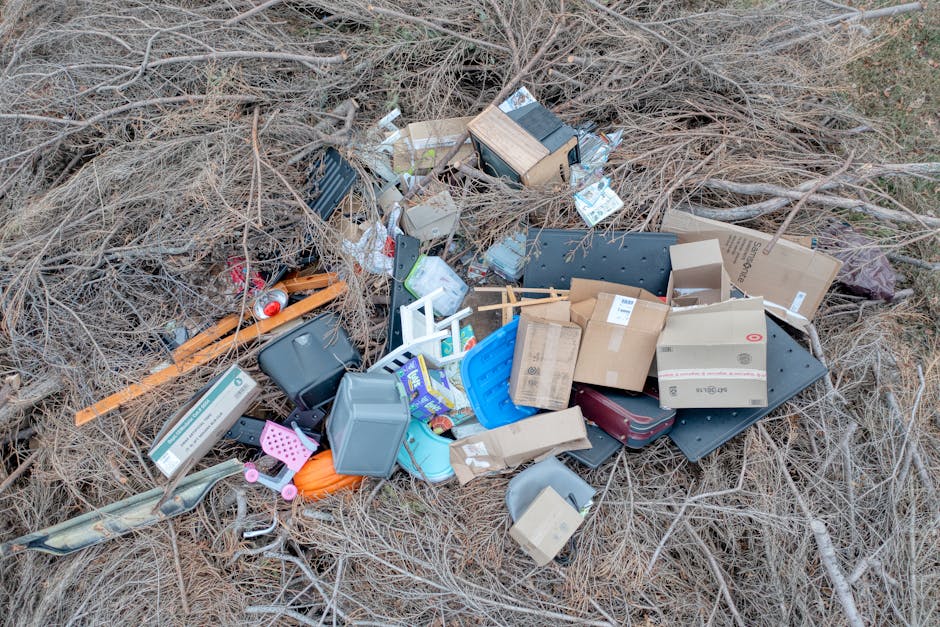
The most common problem is mixing everything together and hoping it sorts itself out later. Spoiler: it usually does not. A pile with green waste, soil, broken pot shards, timber, and old packaging is far more awkward than three smaller, cleaner piles.
Other mistakes show up just as often:
- Overfilling bags: They split, they become unsafe to lift, and they slow everything down.
- Leaving heavy items until the end: Wet soil, masonry pieces, and dense timber are harder work than they look.
- Ignoring access: A narrow gate or shared path can change the whole collection method.
- Assuming all outdoor waste is the same: It is not. The difference between green waste and mixed rubbish matters.
- Forgetting about sharp edges: Broken terracotta, wire, and old fixtures can catch hands and clothing.
- Waiting too long: Once waste sits for a while, it can get damp, compacted, smelly, or simply more annoying to move.
Another quiet mistake is not checking what is actually reusable. Sometimes that old timber edging, healthy compost, or a stack of intact pots should stay. It is easy to throw out things in a rush that you might have used again. We have all done it. Human nature, really.
Tools, Resources and Recommendations
You do not need a warehouse full of equipment to manage garden waste properly. A small set of practical tools is usually enough to make the job cleaner and safer.
Useful items include:
- strong garden waste bags or sacks;
- gloves with decent grip;
- secateurs, loppers, or a saw for cutting branches down to size;
- a rake or leaf grabber for light debris;
- a wheelbarrow or tub for moving heavier loads;
- a dustpan and stiff brush for the final sweep;
- tarpaulin or sheets to protect paths while loading.
If the job involves a mix of waste from a garden refresh, you may also want to think in broader terms. A service focused on garden waste removal in Richmond is often the cleanest fit for green material, while mixed loads may need a fuller waste collection approach.
For people comparing overall service quality, it is worth looking at how a provider handles safety, sorting, and security of payment. You can also review insurance and safety information and payment and security details if you want a better sense of the practical standards behind the service.
One more recommendation: keep a rough inventory before collection day. A quick written note of what is going and what is staying saves time when everyone is outside, slightly muddy, and trying to remember where the extra bag came from. It happens.
Law, Compliance, Standards, or Best Practice
Waste handling in the UK comes with responsibilities, even for ordinary household jobs. You do not need to become a legal expert to get this right, but it helps to follow sensible best practice.
In plain English, that means using a responsible disposal route, separating material where practical, and avoiding fly-tipping or unverified dumping. If waste leaves your property, you want confidence that it is being handled properly. That is especially important where mixed rubbish is involved, because one careless load can create headaches later.
Garden waste should be treated with care if it includes invasive material, treated wood, sharp objects, or contaminated contents. Likewise, soil or rubble may need different handling from leafy waste. It is always worth slowing down long enough to ask: does this belong with green waste, general rubbish, or neither?
For landlords, managing agents, and anyone responsible for a property, keeping records of clearance work can be a sensible best practice. It need not be complicated. A note of the date, what was removed, and who handled it is often enough for internal tracking.
There is also a safety side that people overlook. Clear routes, sensible lifting, and proper gloves matter more than they sound. A small back strain is not worth rushing through a garden clean-up, especially on uneven ground or narrow steps. Best practice is boring. But boring is good when you want the job to end well.
For company background and service standards, you can also read about the team and approach and our recycling and sustainability approach.
Options, Methods, or Comparison Table
There is more than one way to deal with garden waste and rubbish. The right choice depends on volume, access, weight, time, and whether the load is purely green waste or a mixed clear-out. Here is a practical comparison.
| Method | Best for | Pros | Trade-offs |
|---|---|---|---|
| DIY bagging and council collection | Small, light garden tidy-ups | Low cost, simple for minor jobs | Can be slow, limited by bin rules and collection timing |
| Skip hire | Larger projects with lots of bulky waste | Handles bigger volumes well | Needs space, loading effort, and planning |
| Dedicated rubbish collection | Mixed loads, awkward access, one-off clearances | Fast, flexible, less effort on your part | Usually more expensive than doing it yourself |
| Regular gardening service with disposal included | Ongoing maintenance | Keeps waste under control over time | Not ideal for one-off heavy clearance |
For most Petersham and Kew properties, the decision comes down to this: if it is a small, light job, DIY can work. If it is heavy, mixed, or awkward to move, a collection service is often the cleaner option. Simple enough, really.
If you are comparing prices or trying to understand what affects the final cost, take a look at pricing and quotes. That kind of transparency helps you judge the service before booking anything.
Case Study or Real-World Example
Here is a realistic example. A homeowner in a terraced property near the Petersham side of the area has spent a weekend cutting back a hedge, clearing leaf build-up, and pulling out a few dead shrubs. The first instinct is to bag everything and hope the household bins cope. Then the bags start filling up, a pile of soil appears from the root zone, and the old plastic trellis at the back suddenly needs removing too.
At that point, the job stops being a quick tidy and becomes a mixed clearance. The smart move is to separate the green waste from the broken garden items, keep the soil in its own pile, and create a clear access route to the rear gate. The result is cleaner loading, less mess on the path, and no accidental mixing of reusable items with rubbish. No drama, no missed corners, no mystery debris left behind.
Another common scenario is a landlord preparing a Kew rental between tenancies. The outdoor space looks fine from a distance, but closer up there are old bags, a damaged planter, pruned branches, and random household bits left in the shed. In that case, garden waste and rubbish disposal are best handled together so the space can be reset in one pass rather than tackled piecemeal over several days.
The real takeaway is simple: once the waste is sorted and the route is planned, the rest of the job becomes much easier. The garden can breathe again. So can you.
Practical Checklist
Use this quick checklist before collection or disposal day. It keeps the process steady and helps avoid last-minute surprises.
- Identify the waste type: green waste, mixed rubbish, soil, wood, or sharps.
- Separate reusable items: pots, edging, timber, and tools you want to keep.
- Cut oversized branches: make them easier to carry and load.
- Bag lightweight material: leaves, clippings, and small debris.
- Keep heavy loads small: especially soil and wet cuttings.
- Check access paths: gates, steps, side passages, and shared entryways.
- Protect surfaces: use tarpaulins or sheets if needed.
- Remove hazards first: glass, wire, nails, and broken fixtures.
- Confirm what should not be mixed in: paint, chemicals, and electrical items.
- Do a final sweep: pick up loose twigs, soil, and debris after loading.
If you can tick most of those boxes, the job usually goes smoothly. If not, it is worth pausing for five minutes rather than rushing into a messy half-solution. That tiny pause can save an afternoon.
Get a free quote today and see how much you can save.
Conclusion
Garden waste and rubbish disposal in Petersham Kew is not just about getting rid of a pile. It is about restoring order, making outdoor space usable again, and handling waste in a way that is sensible, safe, and suited to the property. Once you sort the material, plan the access, and choose the right method, the whole thing becomes much more manageable.
That is the real value here: not just removal, but relief. A clean garden changes the feel of a home, even on an ordinary weekday afternoon. And honestly, there is something quietly satisfying about looking out at a clear path and seeing the space breathing again.

Copyright © . House Clearance Richmond. All Rights Reserved.